A Letter from Our Founders on Magnifica Humanitas
May 26, 2026News
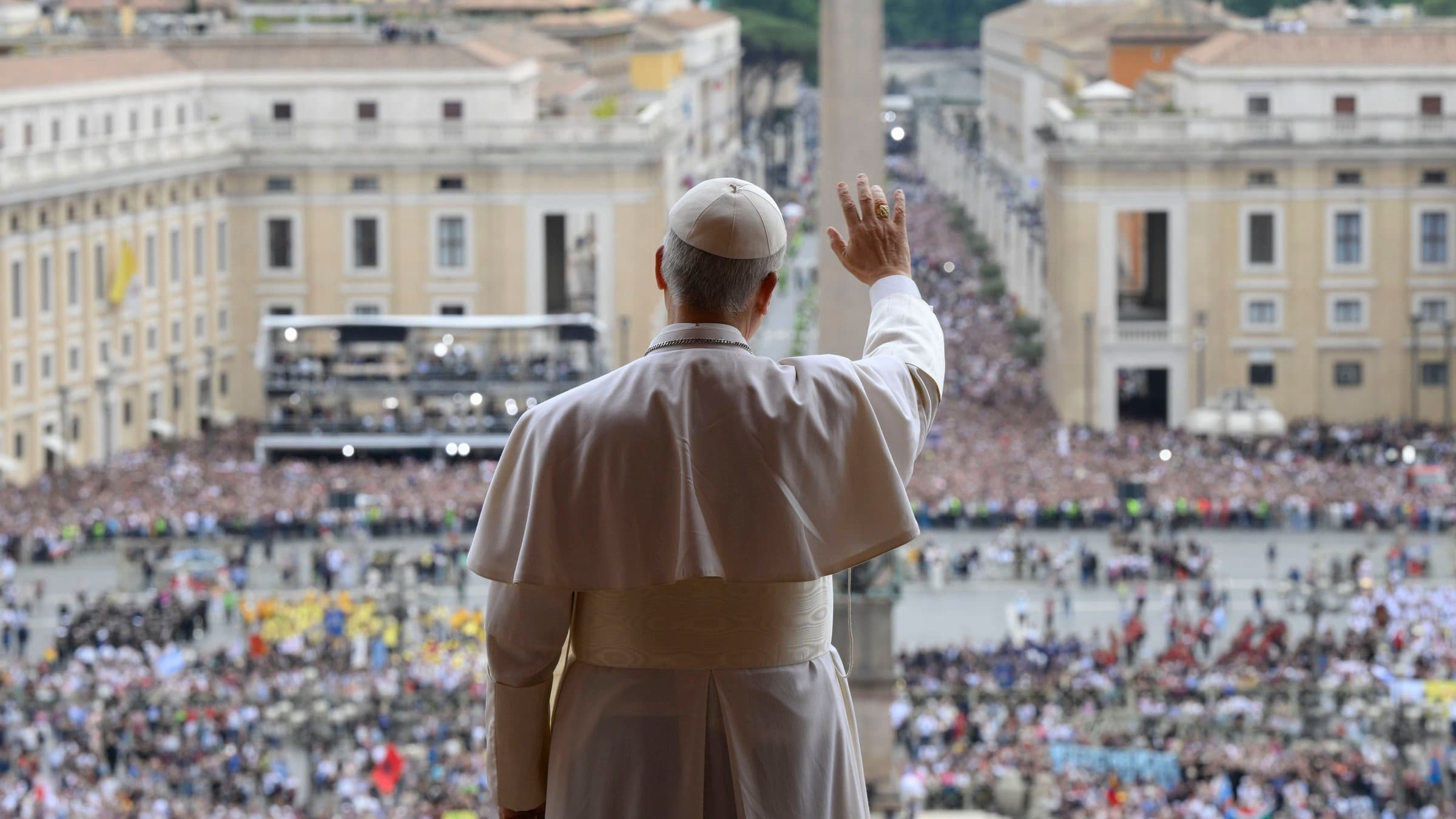
Yesterday was a historic day to be in Rome.
With the release of his first encyclical, Magnifica Humanitas: On Safeguarding the Human Person in the Time of Artificial Intelligence, Pope Leo XIV has given the Church and the world a profound gift: a clear, urgent, and hopeful summons to remain “profoundly human” in an age when artificial intelligence is rapidly reshaping our work, our relationships, our institutions, and our imagination.
For us at CatholicTech, this encyclical does not feel like a new topic added to our mission. It feels like a confirmation of the very intuition on which CatholicTech was founded.

A Confirmation of Our Mission
CatholicTech was founded on a simple but urgent conviction: technology is never merely technical. It is never ethically neutral. Every design choice carries assumptions about the human person, the good life, and how we ought to serve God and our fellow man.
In Magnifica Humanitas, Pope Leo affirms this conviction with striking clarity. He writes that technology “takes on the characteristics of those who devise, finance, regulate and use it,” and that we “cannot consider AI to be morally neutral.” Developers, he says, “bear a particular ethical and spiritual responsibility,” because “every design choice reflects a vision of humanity.”
This is why the Church and the world need ethically formed scientists and engineers who can engage new technologies as they are created, not simply in hindsight.
At CatholicTech, this conviction shapes our curriculum. We integrate technical training and human formation because the builders of a technological future must be able to think philosophically, theologically, and ethically about what they build. Next year, our first senior integrative seminar will give students space and guidance to bring together these dimensions of their education.
The rise of AI also requires a deeper understanding of what it means to be human. Pope Leo calls us to “remain profoundly human” and reminds us that AI systems may imitate aspects of human intelligence, but they do not possess a body, moral conscience, responsibility, or the lived experience of love, work, friendship, and relationship. Precisely because of this, education must focus not only on technical competence, but on human formation.
This is why CatholicTech is in-person, residential, and rooted in Rome. At a time when many universities are moving toward increasingly disembodied, remote, and transactional models of education, we have chosen a different path: one centered on real community, authentic friendship, prayer, study, critical thinking, and deepening love for God and His Church.
Looking Forward
As the school year comes to a close, we will take the summer to reflect deeply on how Magnifica Humanitas should shape our pedagogy, research, policies, and common life. It will be required reading for all faculty and students this summer, and we will host a retreat to discuss how it should guide our approach to learning, formation, and technology.
There is clearly much to explore in the encyclical, and we will spend the coming months reading, praying, and discerning its implications together. But even now, we have a few preliminary responses that will shape our programs in the coming year.
First, in light of the relevance of this topic for the Church and the world, all students will take a new general requirement course on machine learning and artificial intelligence, building on our current computing requirements for every student.
Second, we will also reexamine our AI policies and pedagogy to ensure that students understand how to use AI well, remain actively engaged with its technical developments, and receive clear guidance from faculty. Students need to learn when AI is supplementing their God-given gifts and helping them do God’s work more effectively, and when it is replacing or shortcutting their own critical thinking and human judgment. We must teach them its proper use, helping them make it serve their purposes, the dignity of the human person, and the mission of the Church. AI must serve humanity rather than supplant it.
We receive Magnifica Humanitas with gratitude and seriousness. It is both a confirmation and a challenge: to form students who can help build a technological future that remains truly human.
We ask for your support as we seek to faithfully fulfill this mission. If you would like to support CatholicTech, please reply to this email to schedule a meeting. Every bit of support matters as we enter this critical stage for the future of the Church and humanity.
William + Alexis Haughey
Founders, Catholic Institute of Technology
the cries of the harvesters have reached the ears of the Lord