From Waste to Wonder: How Sunflower Seeds Are Making Bread Healthier
Feb 13, 2026News
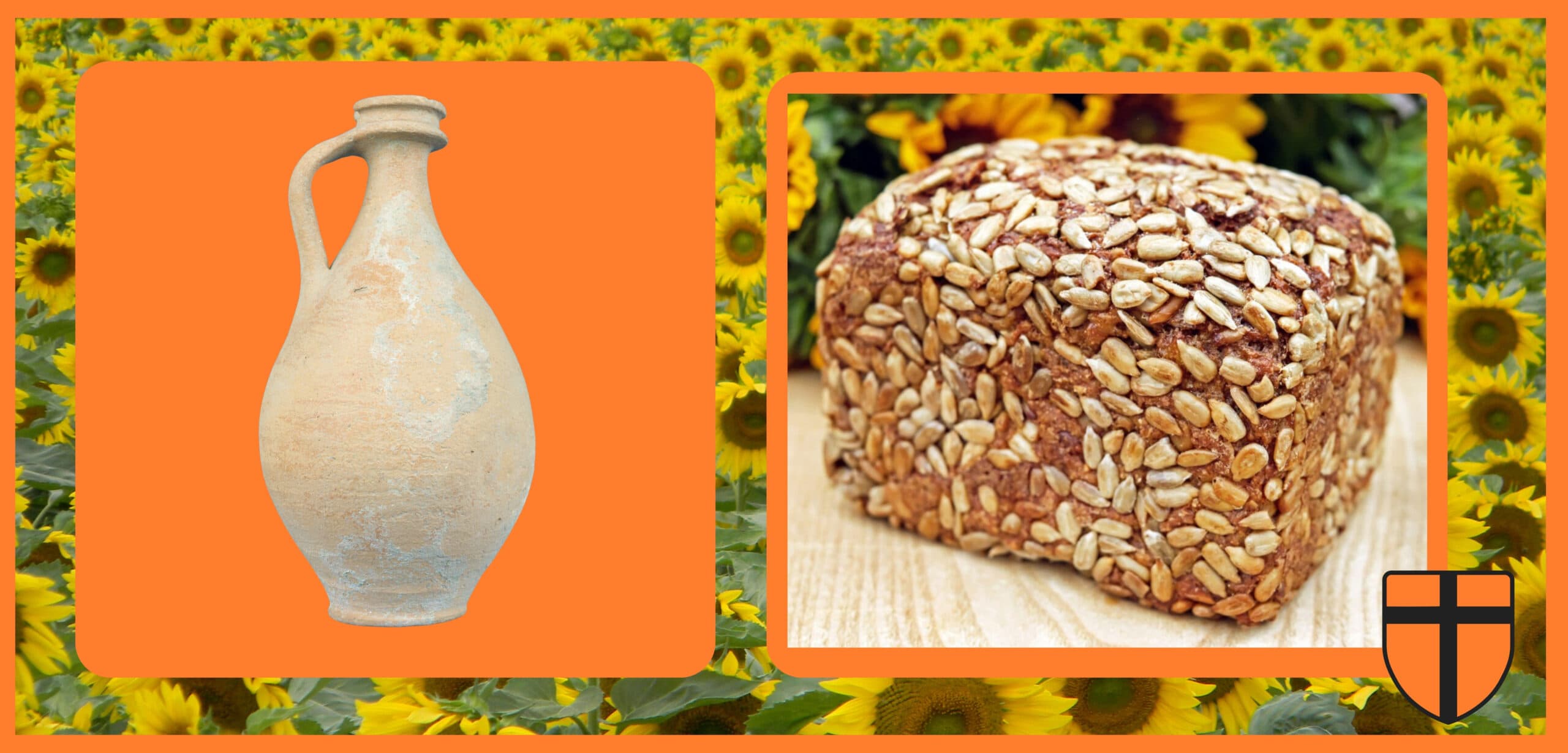
When you think of sunflower seeds, you might picture a snack at a baseball game or birds flocking to a feeder. But scientists have recently discovered that sunflower seeds may also hold the key to making everyday bread significantly healthier and more sustainable.
Researchers in Brazil have found a way to transform leftover material from sunflower oil production into a powerful ingredient for bread. This by-product, called partially defatted sunflower seed flour, is what remains after oil is mechanically pressed from sunflower seeds. Instead of being discarded or sold cheaply as waste, it can now be repurposed to boost the nutritional value of one of the world’s most common foods.
The effects of using this new flour are impressive. When researchers replaced a portion of traditional wheat flour with sunflower seed flour, the bread became much richer in protein, dietary fiber, and antioxidants. In some formulations, protein levels more than tripled compared with ordinary white bread. Fiber content also rose sharply, and antioxidant activity increased dramatically due to the presence of chlorogenic acid, a natural compound linked to anti-inflammatory effects and better blood sugar control.
Why does this matter? Most conventional breads are high in refined carbohydrates and low in fiber and protein, which can contribute to spikes in blood sugar and reduced satiety. By contrast, sunflower-enriched bread may help slow the digestion of starches and fats. Laboratory tests showed that compounds in the sunflower flour strongly inhibited digestive enzymes such as α-amylase and pancreatic lipase, which are involved in breaking down carbohydrates and fats. This suggests potential benefits for managing blood sugar levels and fat absorption.
Of course, nutrition is only part of the story. Bread still has to look, feel, and taste like bread. The researchers tested many recipes, replacing between 10% and 60% of wheat flour with sunflower flour. At higher levels, the loaves became smaller, denser, and firmer, a change that most consumers would notice right away.
To solve this problem, the team tried a clever alternative: instead of adding the whole sunflower flour, they used an aqueous extract made by mixing the flour with water and filtering it. This extract preserved much of the protein and antioxidant benefit while keeping the bread’s texture and structure very close to that of standard wheat bread. In other words, bakers could get the health boost without sacrificing the familiar softness and shape people expect.
Beyond health, this research highlights an important environmental benefit. Sunflower oil is one of the top vegetable oils produced globally, and its leftovers are abundant. Turning this waste into a valuable food ingredient supports what scientists call a circular economy, where materials are reused instead of discarded. The approach reduces waste, lowers costs, and makes better use of existing resources while improving human nutrition.
What was once an overlooked by-product may soon find its way into bakeries and grocery stores. Thanks to sunflower seeds, the future of bread could be healthier, more sustainable, and just as satisfying as ever.