Quantum Echoes
Dec 3, 2025News
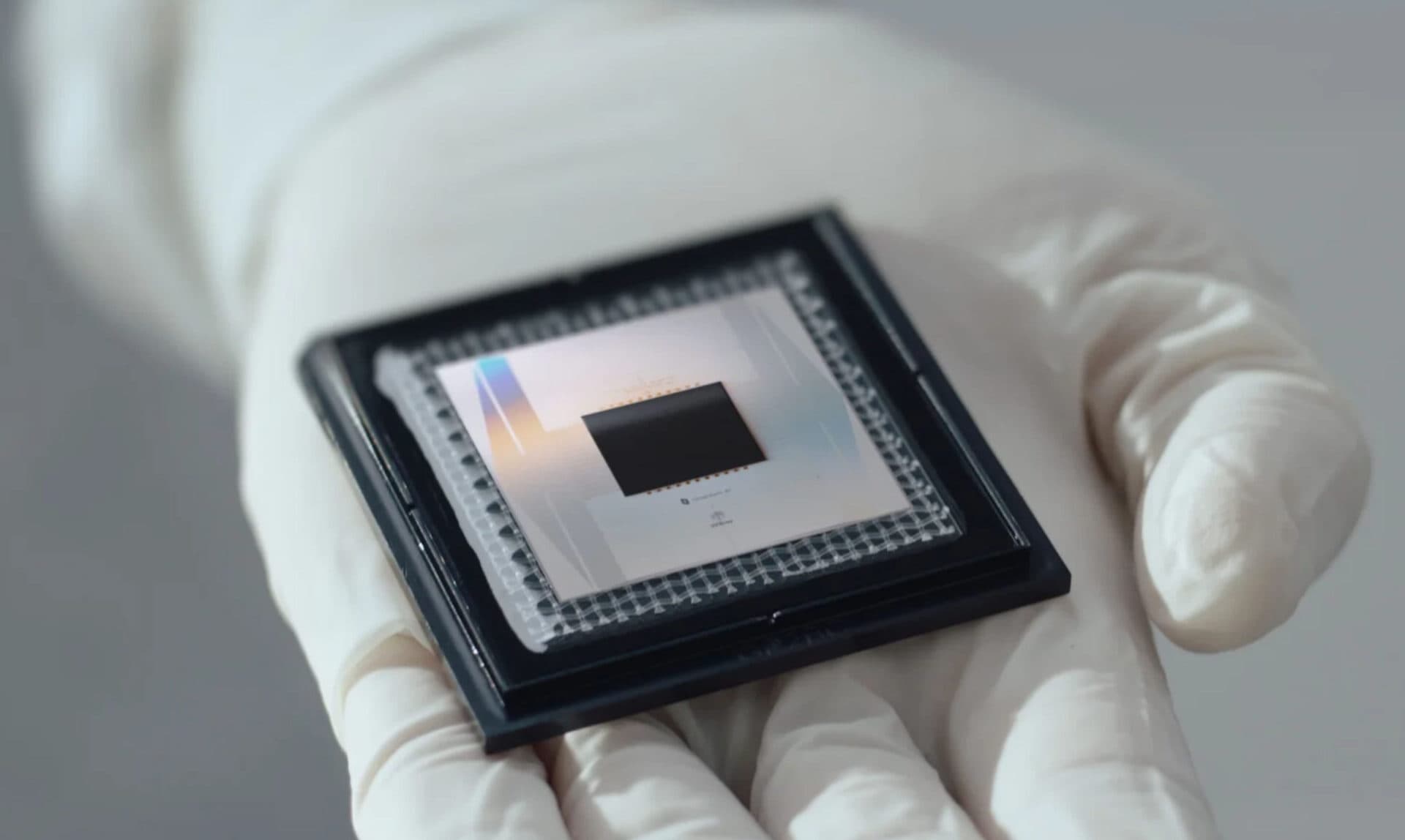
On October 22 of this year, Google released the results of a new experiment involving its latest quantum processor, Willow. This device impressed researchers with extraordinary speed and reliability when performing a new type of quantum computation.
The experiment used an algorithm called Quantum Echoes, which allows quantum processors to test themselves in a way that was not previously possible. Unlike the random circuit sampling tests used in earlier generations of quantum hardware, Quantum Echoes provides a way to check the output of a quantum computation without destroying the fragile quantum information inside the processor. Using this method, Willow completed the required calculations about 13,000 times faster than a leading supercomputer. This performance represents a measurable and verifiable quantum advantage.
Quantum Echoes works by running a quantum process forward, and then approximately reversing it. If the system is functioning well, the final state should closely resemble the original. This allows researchers to estimate how much error accumulated along the way, even though directly observing a qubit would normally disrupt the computation. The approach gives scientists a new window into the behavior of quantum systems and a new tool for validating the performance of quantum processors.
Quantum computers are designed to simulate the probabilistic and interconnected nature of quantum mechanics. Classical computers operate in definite states represented by ones and zeros, while quantum computers manipulate qubits that exist in superpositions. These qubits follow the rules of interference and entanglement, which allow quantum computers to represent many possibilities at once. This makes them especially powerful for studying quantum behavior, but also makes them extremely sensitive to noise.
One of the greatest challenges in quantum computing is preserving quantum information long enough to perform useful calculations. Quantum processors must be kept extremely cold and shielded from disturbances. Even a tiny fluctuation can introduce an error, and over millions of quantum operations those errors can accumulate into significant inaccuracies. This gradual loss of quantum information is known as decoherence.
To combat decoherence, researchers use quantum error correction. This technique groups many physical qubits together to form a single logical qubit that is much more stable. Logical qubits are the true information units of a quantum computer, similar to bits in a classical machine. Advances in error-correcting codes and machine-learning-assisted optimization have made it possible for larger numbers of physical qubits to improve, rather than degrade, overall accuracy.
In the new study, Willow’s large system allowed researchers to verify the results of smaller quantum processors, something that was previously impossible. Earlier attempts at verification required either classical simulation—which quickly becomes infeasible—or direct measurement, which destroys the quantum state. Quantum Echoes provides an indirect method of confirmation that preserves the computation while revealing how faithfully it was executed.
The experiment executed more than one trillion quantum operations, a significant fraction of all quantum computations performed to date. Most importantly, the results demonstrate a clear and verifiable quantum advantage in performing tasks that are not practical for classical supercomputers. This marks a major step toward scalable and useful quantum computing.
Such breakthroughs deepen our scientific understanding of the universe. As quantum computers continue to reveal the intricate structure of nature, they also illuminate the profound order and beauty present in the smallest foundations of creation, which many regard as a reflection of the glory of God.